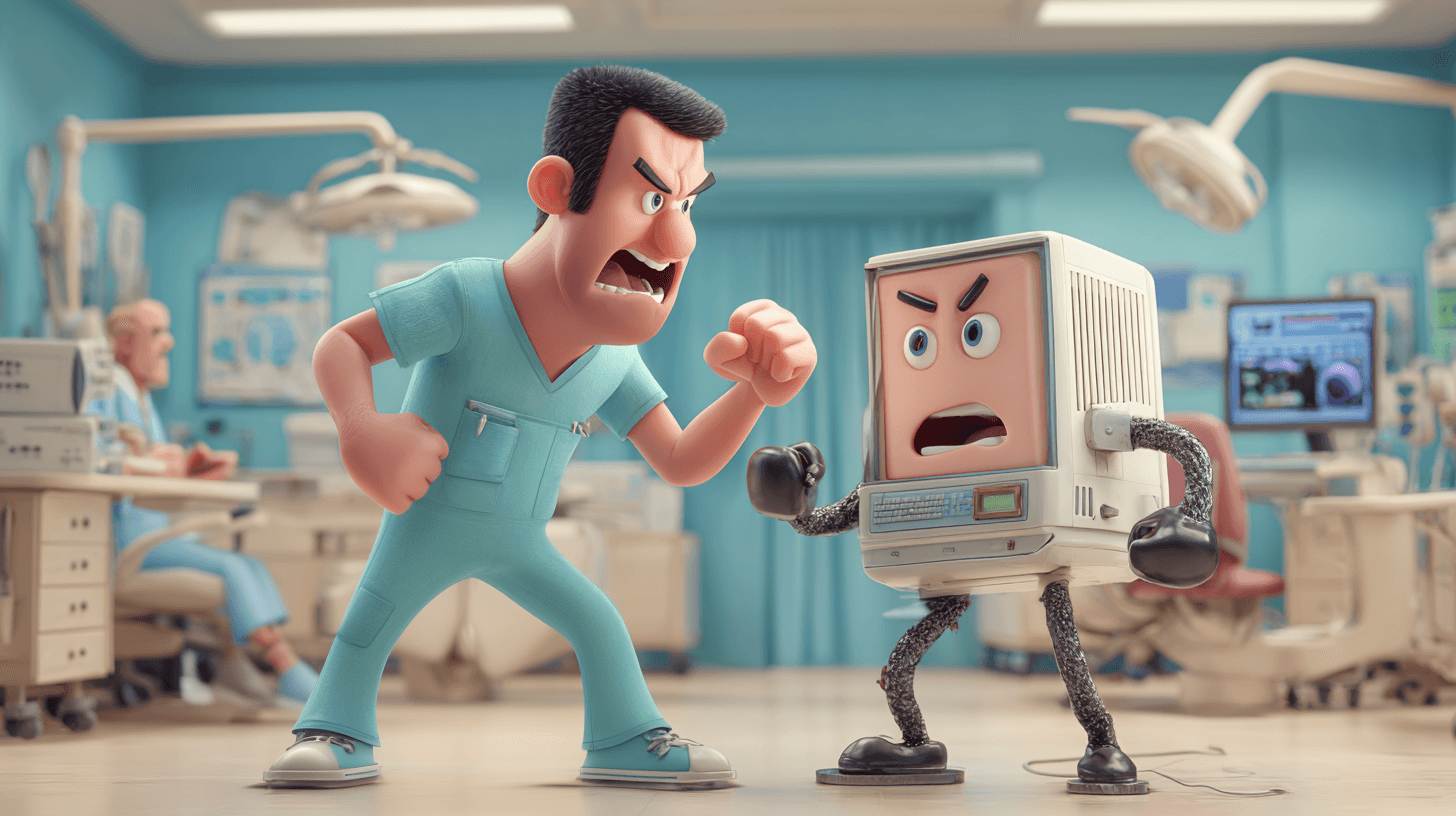
Why Your Dental Software Feels Like It's Fighting You (And What's Coming Next)
The Real Problem: Your Software Doesn't Play Well Together
Picture your typical morning: You check eligibility in one portal, enter treatment notes in your PMS, upload images in another system, and then retype everything for the insurance claim. Your team has become expert jugglers, but all that context-switching adds up to hours of lost productivity each week.
The frustrating part? The technology to fix this already exists. We have standards for claims (837D), eligibility checks (270/271), and payment posting (835). But most of these run through clearinghouses as overnight batch files instead of instant updates you can use during the patient conversation.
Five Things Slowing You Down Right Now
Your dental and medical records live on different planets
The ADA and HL7 have created ways for dental and medical records to talk to each other through FHIR standards. In fact, they successfully tested full record exchange in October 2024. But getting this into everyday practice software? That's still a work in progress.
Imaging is an island
Your X-rays and scans sit in their own system. Even though DICOM standards exist, most imaging software doesn't automatically send findings to your PMS. So you're manually copying interpretations into notes, claims, and treatment plans—the same information, three different times.
Cybersecurity keeps getting scarier
Healthcare breaches jumped 45% in the past two years, with the average incident costing over $9 million. Last year, more than a quarter of healthcare ransomware attacks hit dental clinics. Many practices still don't have multi-factor authentication turned on everywhere or regularly test their backups.
Legacy systems weren't built for how you work today
Most dental software was designed for on-premise Windows computers that sync overnight. You need cloud access from your phone, real-time updates, and dashboards that actually help you make decisions—not CSV files you have to analyze separately.
Everything requires too many clicks
Treatment coding, fee schedule updates, reporting—it all takes more steps than it should. Your team knows where every buried menu is, but that's not efficiency. That's Stockholm syndrome with software.
What Better Actually Looks Like
Modern dental software should work more like the apps you use every day. Here's what that means in practice:
Instant updates everywhere
When a patient schedules, or a claim gets paid, every part of your system should know immediately. No overnight syncs, no manual updates. Real-time eligibility checks should happen while you're talking to the patient, not after they've left.
One source of truth
Enter a patient's insurance information once. Update a fee once. Record a diagnosis once. Then every part of your system—scheduling, treatment planning, claims, reminders—references that single source. No more version conflicts or copy-paste errors.
Images that actually connect to records
When you take an X-ray and note "MOD caries on #3," that finding should automatically appear in your clinical note, your treatment plan, and your insurance narrative. One observation, everywhere it's needed.
Security that just works
Multi-factor authentication on every login. Automatic encrypted backups to the cloud. Monthly security patches that happen without you thinking about it. Regular drills to make sure you can actually restore your data. These aren't nice-to-haves anymore—they're table stakes.
AI that saves time, not adds confusion
The best AI tools draft your clinical notes while you focus on the patient, then let you review and approve before anything goes in the chart. No black boxes, no mystery decisions—just fewer minutes on documentation.
So Why Isn't Everyone Switching?
Because switching is terrifying. Moving years of patient histories, thousands of images, and all your fee schedules to a new system feels like performing surgery on a running practice. If your claims cycle gets disrupted for even a week, you've lost the projected savings.
Your team already knows how to use the current system. They've memorized every workaround. A new interface means training time during already busy days, and temporary slowdowns while everyone learns.
Then there's the money. Contract buyouts, data export fees, per-location pricing—it all adds up fast. And what about your sensors and imaging equipment? Many devices only work with specific software, so switching might mean hardware upgrades too.
Here's the thing: if your current system handles scheduling, claims, and collections adequately, it's easy to decide the devil you know beats the risk you don't.
A Smarter Way Forward (No Rip-and-Replace Required)
You don't have to blow everything up and start over. Here's how to make real improvements without the risk:
Start with one pain point
Add real-time eligibility checking to your estimate process. Measure how many fewer phone calls your front desk makes and how many fewer claims get denied. Prove value before touching anything else.
Make your imaging smarter
Keep your current sensors and cameras. Just add a step where findings get pushed into your clinical notes as structured data. Suddenly your claim narratives match your charts automatically.
Lock down security basics
Turn on multi-factor authentication everywhere. Run a backup restoration drill this quarter. Set up monthly patching. These three steps prevent most real-world attacks.
Try AI where it saves actual time
Start with appointment summary generation or clinical note transcription. If it doesn't measurably cut clicks and save minutes within 60 days, turn it off and try something else.
Always have an exit plan
Before buying any new module, confirm you can export everything in standard formats. Being able to leave keeps vendors honest and protects your future flexibility.
The Bottom Line
Your current software gets the job done, but it's making you work harder than you should. The good news? Solutions are emerging that fix these problems without requiring a complete overhaul.
Platforms like trustdentistry.ai's Isaac—an AI copilot built specifically for dental workflows—show what's possible when modern technology meets real practice needs. Intelligent automation, standards-based connections, and workflows designed around how dentistry actually works.
The standards for better integration already exist. Medical-dental data exchange is maturing. Security tools are more accessible than ever. You don't need to accept software that fights you. Start with one improvement, measure the impact, and build from there. Your team (and your schedule) will thank you.
About the Author
Dr. Divian Narendra Patel, DDS, BDS
Chief Clinical Officer, Co-Founder
Dr. Patel practices at San Ramon Dental Excellence in California, specializing in conservative, ethical dentistry. His expertise spans invisible orthodontics, restorative, cosmetic, and implant dentistry, with a focus on delivering healthy, functional, and aesthetically pleasing results that prioritize patient well-being. He is the Chief Clinical Officer and co-founder of Trust AI.
Related Articles
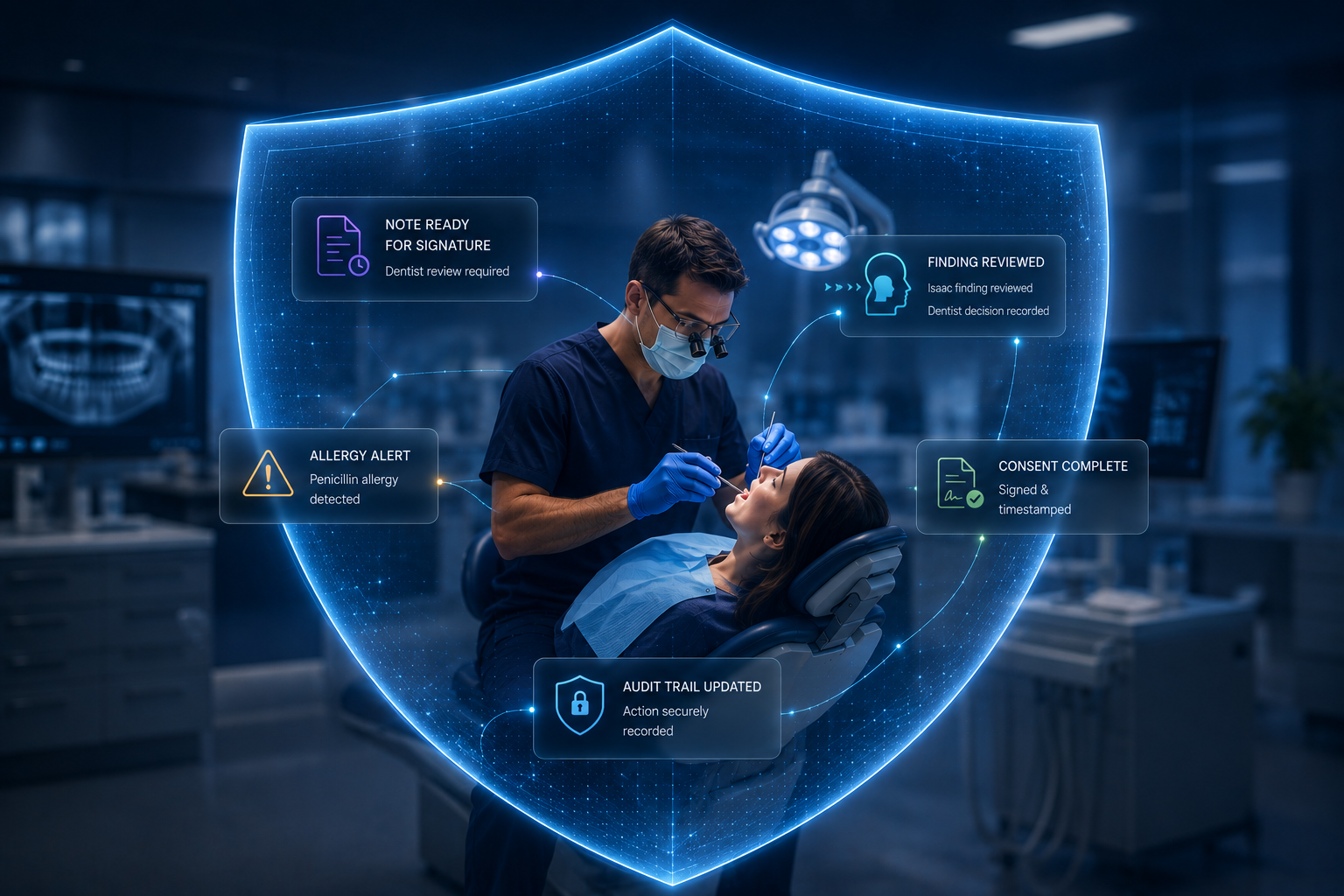
Malpractice Prevention Should Be Designed Into the Practice
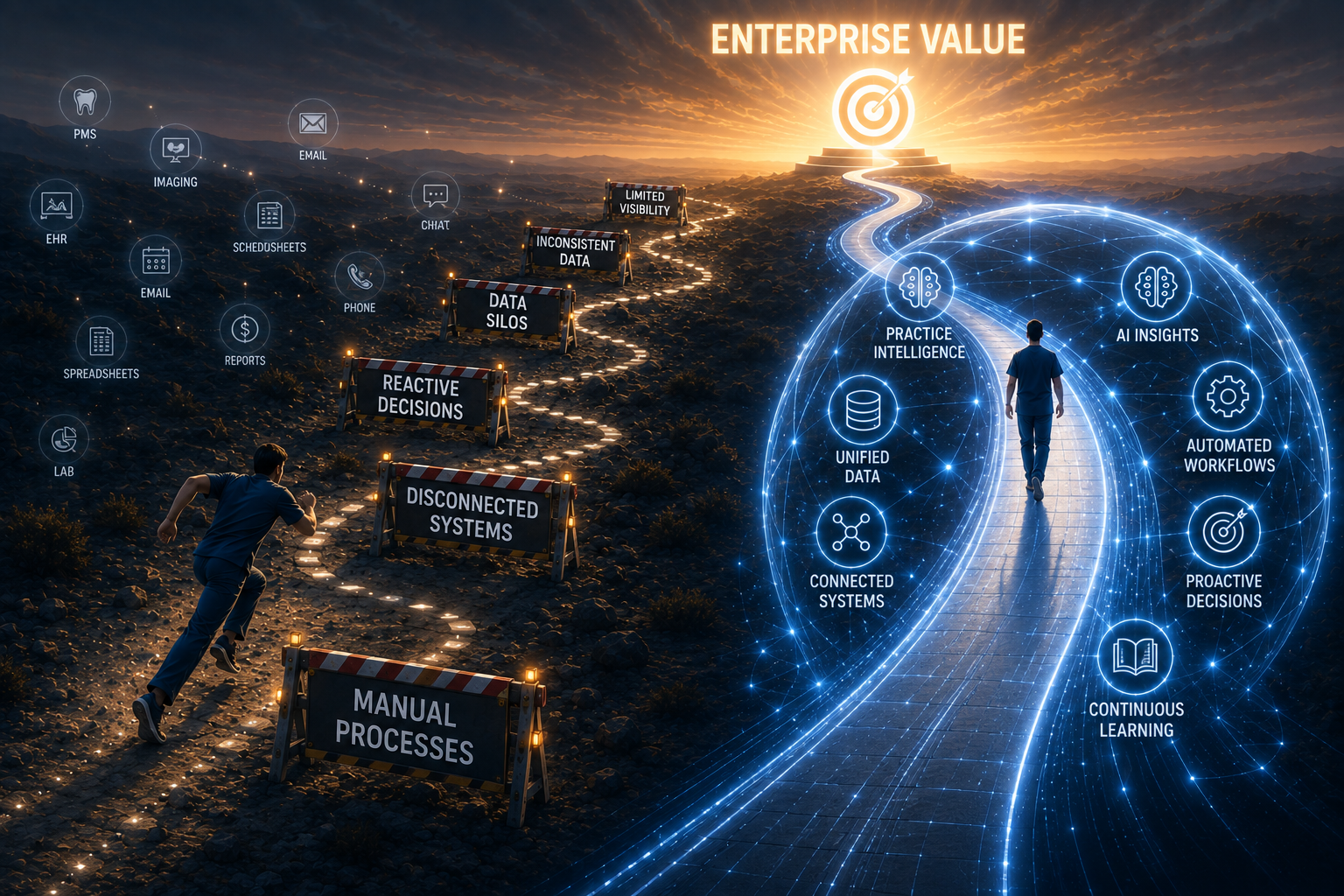
AI is Changing What Makes a Dental Practice Valuable